
By: Tahir Mahmood Azad
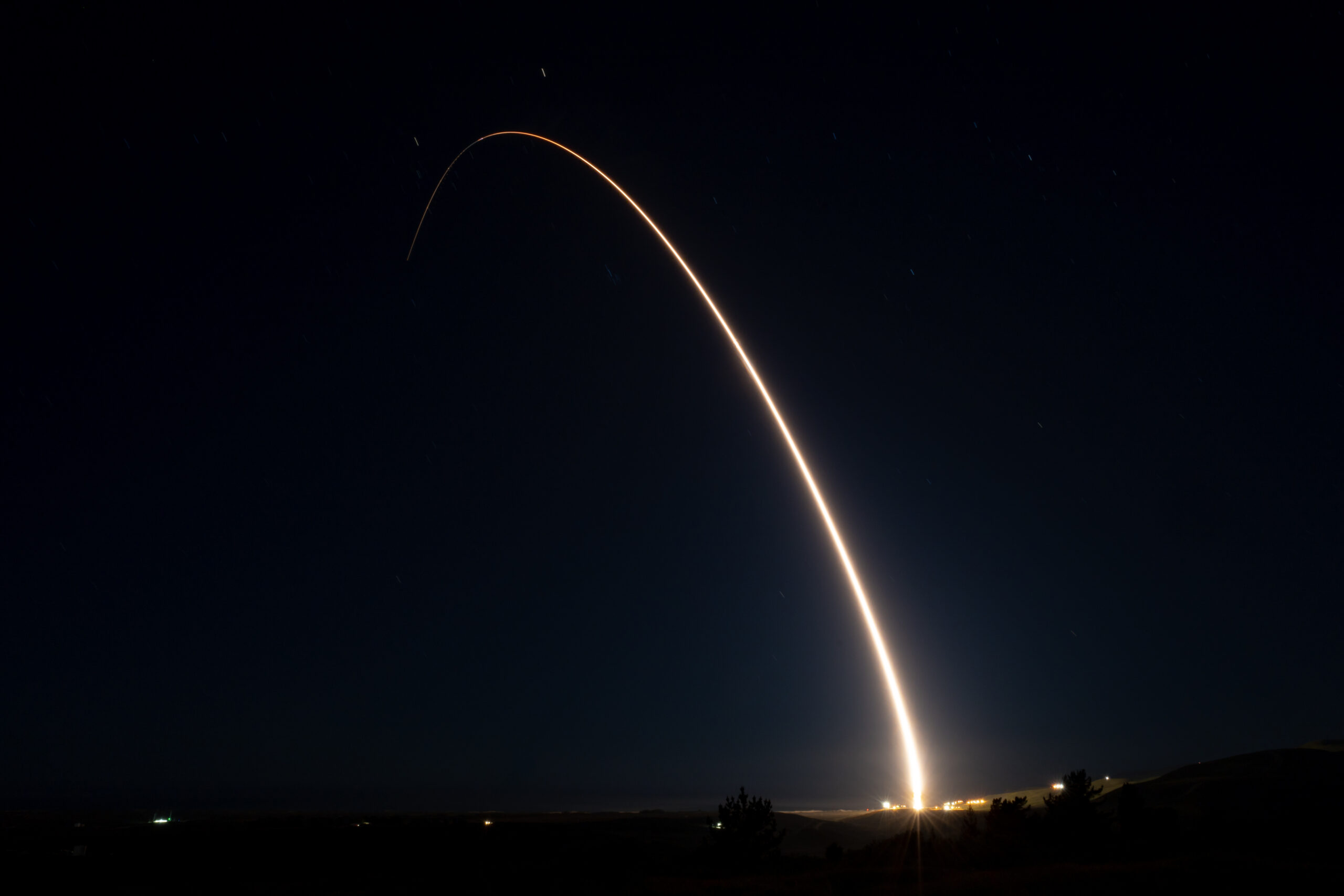
The ongoing conflict involving Iran, the United States, and Israel has produced one of the most significant case studies in the evolution of contemporary warfare. Iran, a state that lacks a competitive air force and possesses limited naval power, has demonstrated that ballistic missiles, cruise missiles, and unmanned aerial systems can offset some conventional disadvantages and impose serious costs on technologically superior adversaries. This development is not confined to the battlefield. It represents a doctrinal shift with lasting implications for American deterrence strategy, allied defense planning, and the long-term viability of current U.S. force structures. Understanding what Iran has and has not achieved is essential for making sound policy going forward.
